A Surprising Gatekeeper in the Bible

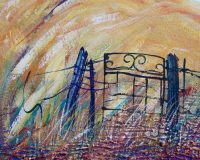
“Machihino village (gates)” by MUR is licensed under CC BY-SA 3.0.
Despite the tendency to use the expression gatekeeper as an expletive, it is in fact a concept that is found in the Bible.
Gatekeepers in the Bible
The Gospel of John chapter 10 is well known for its depiction of Jesus as the Good Shepherd. However, this is not the whole story. Jesus also refers to himself as a gatekeeper which is an important part of the shepherd’s role.
In verses 7 and 9 Jesus says, “Very truly I tell you I am the gate for the sheep.” John 10:7, and “I am the gate.” John 10.9a. The term gate is a behavioural term which can be used interchangeably with the term gatekeeper. Jesus is therefore the archetypal good gatekeeper who is a role model for modern church gatekeepers.
The Bible passage emphasises the great love that Jesus the Good Shepherd/Gatekeeper has for his flock. He protects them and keeps them safe by only letting in those who would care for the sheep and treat them well. One minister in my study, stressed the significance of the church leader’s nurturing role. She defined a well-functioning gatekeeper as “one who opens the gate and calls the people into the fold where they have a safe place to be.”
Who are the Thieves and Robbers?
In order to care for the “sheep”, it is also the gatekeeper’s role to keep out of the group those destructive elements harmful to its functioning, which Jesus labels as thieves and robbers (John 10:8). It can seem harsh to exclude people, even anti-Christian, but throughout the gospels there are examples of Jesus excluding people from the flock with good reason. He castigates the Pharisees whose harsh laws harmed the poor and the sick, calling them hypocrites (Mark 7:6). Jesus also turned over the money changers tables in the temple shouting, ”It is written that my house shall be called a house of prayer; but you have made it a den of robbers.” (Luke 19:46).
All gatekeepers, including Jesus, protect their group from harmful intrusions. This involves judging who is an intrusive thief or a robber and who is not. Such judgements may be sound, as in Jesus’ case. However, sometimes the gatekeeper’s judgement is unsound. For example, rejecting a young person’s offer to assist in the Sunday School because “We already have enough teachers, thanks”. Jesus is able to distinguish between destructive people and those who wish to enter the fold for legitimate reasons. We need to help our gatekeepers to do the same (see here for tips on getting on with gatekeepers).
Unethical Gatekeepers
Ezekiel 34 castigates the bad shepherds, i.e. unethical gatekeepers. They were the leaders of the Hebrew people who treated their flocks/groups badly, using their power for their own advancement and welfare. We can see from these passages that gatekeepers are required by God to use their power and influence wisely, to care well for their particular charges.
Well-meaning but Unwise Gatekeepers
Not all gatekeepers are ill-intentioned. Some are misguided and may inadvertently harm the group by excluding strangers and new ideas. It is the minister’s role to guide the gatekeepers in their work.
In order to work well with local church gatekeepers, it must first be acknowledged that the gatekeeper role is a legitimate one and has always been part of our group life together. The concept of gatekeeper is far deeper and more complex than the colloquial and derogatory use of the term suggests. In future blogs we explore why this is so.